In this article
Australian Internet & NBN — Plans, Speeds & What to Choose
Setting up internet is one of the first things you need to do when moving to Australia. The NBN (National Broadband Network) is Australia's main fixed-line internet infrastructure, but understanding speed tiers, connection types, and which provider to choose can be confusing. This guide breaks it all down.
What Is the NBN?
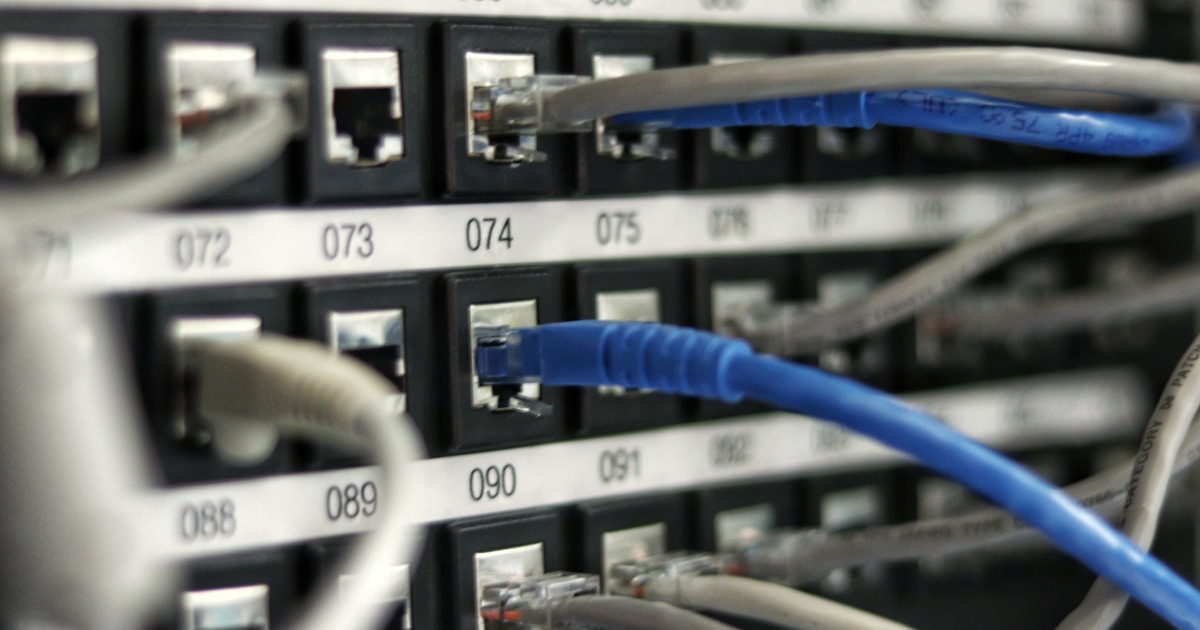
The National Broadband Network (NBN) is Australia's government-built internet infrastructure. Think of it like a highway — NBN Co builds and maintains the network, but you buy your internet plan from a retail service provider (RSP) like Telstra, Aussie Broadband, or Superloop.
The NBN replaced the old copper phone network (ADSL) across most of Australia. About 85% of Australian premises are now connected to the NBN. The remaining areas use alternative technologies like fixed wireless or satellite (Starlink is also popular in rural areas).
Key things to understand:
- NBN is the infrastructure, not the internet plan — you choose your provider separately
- All NBN plans are unlimited data by default (no data caps on most plans)
- Speeds depend on your speed tier and your connection type
- You need a modem/router to connect (some providers include one, others don't)
NBN Speed Tiers Explained
NBN plans are sold in speed tiers. The speed you get depends on which tier you pay for:
| Speed Tier | Download / Upload | Typical Cost | Best For |
|---|---|---|---|
| NBN 25 | 25 / 5 Mbps | $50-$60/month | 1-2 people, basic browsing, email |
| NBN 50 | 50 / 20 Mbps | $60-$75/month | Small household, streaming HD, light WFH |
| NBN 100 | 100 / 20 Mbps | $75-$90/month | Families, multiple devices, WFH, gaming |
| NBN 250 | 250 / 25 Mbps | $95-$120/month | Heavy users, 4K streaming, large uploads |
| NBN 1000 | 1000 / 50 Mbps | $120-$160/month | Power users, content creators, large households |
Which Speed Do You Need?
Here's a practical guide based on how you use the internet:
- Just browsing and email: NBN 25 is fine ($50-$60/month)
- Streaming Netflix/Stan on 1-2 devices: NBN 50 ($60-$75/month)
- Working from home (video calls, cloud apps): NBN 100 recommended ($75-$90/month)
- Family with 3+ people streaming simultaneously: NBN 100 ($75-$90/month)
- Online gaming (low latency matters): NBN 100+ ($75-$90/month)
- 4K streaming on multiple TVs: NBN 250 ($95-$120/month)
- Uploading large files (YouTube, cloud backup): NBN 250+ (better upload speeds)
Most Australian households are on NBN 50 or NBN 100 plans. NBN 100 is the sweet spot for most families — fast enough for everything most people do, without paying for speeds you won't use.

Best NBN Providers (2025-26)
Unlike some countries where one or two companies dominate, Australia has many NBN providers competing on price, speed, and service. Here are the most popular:
| Provider | NBN 100 Price | Strengths | Weaknesses |
|---|---|---|---|
| Aussie Broadband | $89/month | Best customer service, consistent speeds, Australian-based support | Slightly more expensive |
| Superloop | $79/month | Excellent value, good speeds, no lock-in | Smaller support team |
| Tangerine | $70-$75/month | Cheapest NBN 100, no lock-in, introductory deals | Price increases after intro period |
| TPG | $80/month | Reliable, wide coverage, bundled phone options | Customer service can be slow |
| Telstra | $95/month | Widest coverage, strong brand, included modem | Most expensive, lock-in contracts |
| Optus | $85/month | Included modem, entertainment bundles | Mid-range on everything |
| iiNet | $80/month | Good all-rounder, established brand | Now owned by TPG |
Connection Types — Why It Matters
Not all NBN connections are equal. Your address has one specific connection type, and it affects the maximum speed you can achieve:
- FTTP (Fibre to the Premises) — fibre optic cable all the way to your home. The best connection type. Supports all speed tiers up to 1000 Mbps. Lucky if you have this.
- FTTC (Fibre to the Curb) — fibre to a pit on the street, then a short copper run to your home. Almost as good as FTTP. Supports speeds up to 250 Mbps (some up to 1000 Mbps with upgrades).
- HFC (Hybrid Fibre Coaxial) — uses the old Foxtel/pay TV cable network. Generally good. Supports speeds up to 250 Mbps or 1000 Mbps.
- FTTN (Fibre to the Node) — fibre to a street cabinet, then old copper phone lines to your home. The worst fixed-line type. Your speed depends on how far you are from the node. Many connections max out at 50-80 Mbps.
- Fixed Wireless — for regional areas without fixed-line NBN. Uses wireless towers. Speeds are typically limited to 50-75 Mbps.
- Satellite (Sky Muster) — for very remote areas. High latency, lower speeds.
Check your address's connection type at nbnco.com.au.

How to Set Up Your NBN
- Check your address — go to nbnco.com.au and enter your address to see if NBN is available and what connection type you have
- Choose a provider — compare plans using the table above or comparison sites like WhistleOut
- Sign up online — most providers let you sign up online in minutes
- Receive your modem — either included in the plan or you buy your own (BYO modem plans are cheaper)
- Technician visit (if needed) — for new connections or FTTP, a technician may need to visit. This is free and scheduled by your provider
- Connect and go — plug in your modem, connect to WiFi, and you're online
5G Home Internet — A Real Alternative
5G home internet has become a genuine alternative to NBN in areas with good 5G coverage (mainly inner and middle suburbs of Sydney, Melbourne, Brisbane, Perth, and Adelaide).
How it works: You get a 5G modem (plug and play, no technician needed) that connects to the mobile network and provides WiFi to your home.
| Provider | Price | Typical Speed | Data |
|---|---|---|---|
| Telstra 5G Home | $85/month | 50-300+ Mbps | Unlimited |
| Optus 5G Home | $75/month | 50-200+ Mbps | Unlimited |
| Vodafone 5G Home | $70/month | 50-200+ Mbps | Unlimited |
5G is great if you want fast setup (no waiting for a technician), you're renting short-term, or your address has a poor NBN connection type (FTTN). The downsides are that speeds can vary with network congestion, and coverage isn't available everywhere.
Contract vs No-Contract Plans
Most NBN providers now offer no lock-in contracts, meaning you can cancel anytime without penalty. This is ideal for new arrivals who might move around. The few benefits of a contract plan:
- Free or discounted modem — some providers include a modem on 12 or 24-month contracts
- Lower monthly price — some contracts offer $5-$10/month savings
Our recommendation: Go with no-lock-in unless the modem deal is significant. Flexibility is more important than saving $5/month, especially when you're still figuring out where you'll settle.
Compare Phone Plans Too
Find the best mobile phone plans for new arrivals in Australia.
Compare Phone PlansFrequently Asked Questions
What NBN speed do I need?
For basic browsing on 1-2 devices, NBN 25 is sufficient. For families or working from home, NBN 50-100 is recommended. Gamers and heavy users should consider NBN 100 or above. Most households find NBN 100 to be the best balance of speed and cost.
Which is the best NBN provider in Australia?
Aussie Broadband consistently ranks highest for customer satisfaction and speed consistency. Superloop and Tangerine offer excellent budget options. Telstra has the widest coverage but charges more. For most new arrivals, Aussie Broadband or Superloop are the best choices.
How long does it take to get NBN connected?
If your address already has an active NBN connection, a new service typically takes 2-10 business days. New connections requiring a technician visit take 2-4 weeks. Check your address readiness at nbnco.com.au.
What's the difference between FTTP, FTTC, FTTN, and HFC?
FTTP (Fibre to the Premises) is the best — fibre all the way to your home. FTTC (Fibre to the Curb) is almost as good. HFC uses old pay TV cables and is decent. FTTN (Fibre to the Node) is the worst because it relies on old copper lines, so speeds depend on your distance from the street cabinet.
Is 5G home internet better than NBN?
5G can match or exceed NBN speeds in areas with strong coverage, and it's easier to set up. But speeds vary with congestion, coverage is limited to major city suburbs, and latency can be higher than fixed-line NBN. It's a great option for renters or people with poor NBN connections.
Do I need to buy a modem?
Some providers include a modem with the plan (Telstra, Optus). Others offer "BYO modem" plans that are cheaper. If buying your own, a good WiFi 6 modem/router costs $100-$200 and will outperform most provider-supplied ones. The TP-Link Archer series is a popular budget choice.
Track Your Settlement Progress
Create a free SettleAU account to save your setup checklist and track what's done.
Create free accountDisclaimer: This article is for general information only. Prices and plan details change frequently. Always check the provider's website for current pricing. SettleAU is not affiliated with any internet provider mentioned in this article.