In this article
Dental Care in Australia — Costs, Medicare & Cheaper Options
If there's one thing that shocks new arrivals to Australia, it's discovering that dental care is almost entirely out of pocket. Medicare doesn't cover dental for adults, and a simple check-up can cost $200-$350. But there are ways to access affordable dental care if you know where to look.
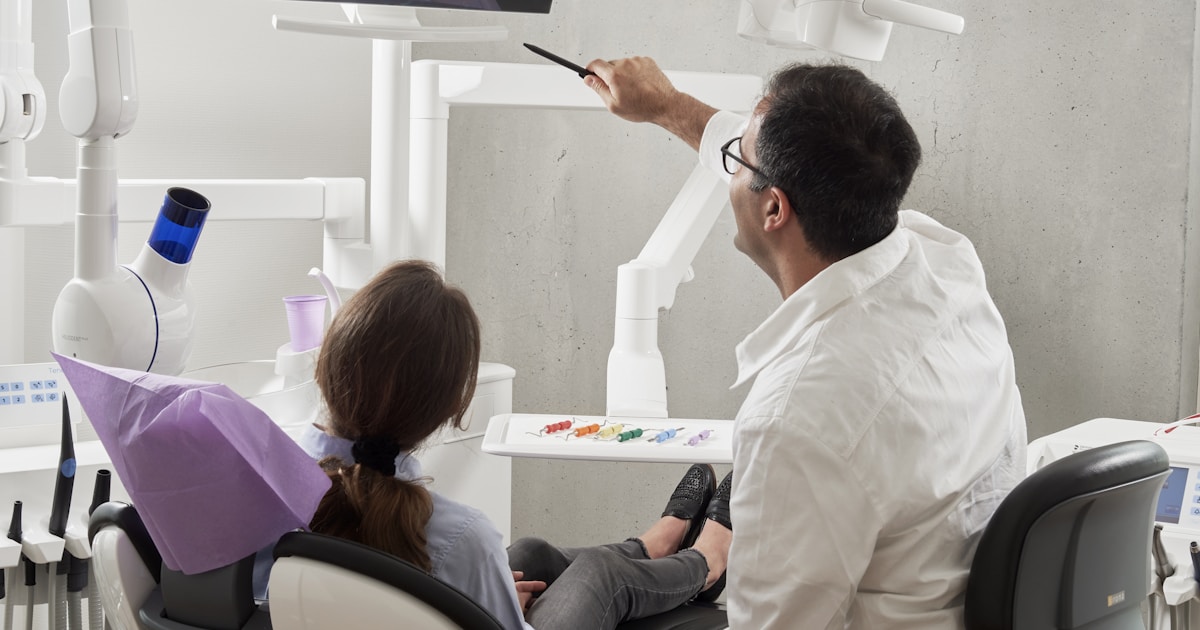
Why Dental Isn't Covered by Medicare
When Medicare was introduced in 1984, dental was deliberately excluded from the scheme. The decision was largely political and financial — including dental would have significantly increased the cost of Medicare. Despite decades of advocacy from health groups and dentists, this hasn't changed.
This means that for adults, all dental treatment is paid for out of your own pocket unless you have private health insurance with dental extras cover. This includes:
- Check-ups and examinations
- Teeth cleaning and scaling
- Fillings
- Extractions
- Root canals
- Crowns and bridges
- Orthodontics (braces)
- Dentures
The only exception is dental treatment that is part of a hospital procedure (e.g., dental surgery under general anaesthetic at a public hospital for medical reasons). In this rare case, Medicare covers the hospital stay but not the dental work itself.
Typical Dental Costs in Australia
Here's what you can expect to pay at a private dentist in 2025-26:
| Treatment | Typical Cost Range |
|---|---|
| Check-up and examination | $60-$100 |
| Teeth cleaning (scale and clean) | $120-$250 |
| X-rays (2 bitewing) | $50-$80 |
| Total check-up visit | $200-$350 |
| Simple filling (1 surface) | $150-$250 |
| Complex filling (3+ surfaces) | $250-$400 |
| Simple extraction | $200-$400 |
| Wisdom tooth extraction (surgical) | $300-$600 per tooth |
| Root canal (front tooth) | $800-$1,200 |
| Root canal (molar) | $1,200-$2,000 |
| Crown (porcelain) | $1,500-$2,500 |
| Dental implant (single) | $3,000-$6,500 |
| Braces (traditional) | $5,000-$9,000 |
| Invisalign | $4,500-$9,000 |
| Dentures (full set) | $2,000-$4,000 |
| Teeth whitening (in-chair) | $500-$1,000 |
Prices vary significantly by location — inner-city dentists tend to charge more than suburban or regional ones. Always ask for a treatment plan with costs before agreeing to any work.

How to Save on Dental Care
Despite the high costs, there are several ways to access more affordable dental care in Australia:
1. Public Hospital Dental Clinics
Each state runs public dental clinics that provide free or very low-cost dental care for eligible people. Eligibility usually requires:
- A Health Care Card, Pensioner Concession Card, or Commonwealth Seniors Health Card
- Being a dependant of someone with these cards
The catch? Waiting lists can be 12-24+ months for non-emergency treatment. Emergency dental (severe pain, swelling, trauma) is usually seen within 24 hours.
2. Community Health Centres
Many community health centres offer dental services on a sliding scale based on income. Some provide free dental for people experiencing financial hardship regardless of card status. Search for community health dental services in your area through your state health department.
3. Dental Schools / University Clinics
This is one of the best-kept secrets for affordable dental care in Australia. See the dedicated section below.
4. Health Fund Dental Clinics
Some health insurance funds run their own dental clinics with fixed, lower prices for members. HCF, Medibank, and nib all operate dental centres in major cities where you can get treatment at known costs with no gap (or a small gap).
5. Payment Plans
Many private dentists offer payment plans through services like Afterpay, Zip Pay, or in-house payment plans. This doesn't reduce the cost, but it spreads it over time. Be careful with interest-bearing plans.
University Dental Clinics — 50-70% Cheaper
Universities with dental programs run teaching clinics where supervised students provide treatment at significantly reduced prices. Treatment is performed by students in their final years under close supervision by qualified dentists.
| University | Location | Savings |
|---|---|---|
| University of Melbourne Dental Clinic | Carlton, VIC | 50-70% off |
| University of Sydney Dental Hospital | Surry Hills, NSW | 50-60% off |
| University of Adelaide Dental Clinic | Adelaide, SA | 50-70% off |
| University of Queensland Dental School | Herston, QLD | 50-60% off |
| University of Western Australia Dental School | Nedlands, WA | 50-70% off |
| Griffith University Dental Clinic | Gold Coast, QLD | 50-70% off |
| La Trobe University Dental Clinic | Bendigo, VIC | 50-70% off |
| Charles Sturt University Dental Clinic | Orange, NSW | 50-70% off |
The trade-off is that appointments take longer (2-3 hours vs 30-60 minutes at a private dentist) because the student is learning and being supervised. The quality of care is high — everything is checked by a qualified dentist before you leave.
Child Dental Benefits Schedule (CDBS)
The one exception to "Medicare doesn't cover dental" is the Child Dental Benefits Schedule, which provides up to $1,095 over 2 consecutive calendar years for basic dental services for eligible children aged 0-17.
Eligibility requires:
- The child is aged 0-17
- The child is eligible for Medicare
- The child or their family receives a qualifying government payment (FTB Part A is the most common, but also includes certain other payments)
Services covered include examinations, x-rays, cleaning, fissure sealing, fillings, root canals, and extractions. Orthodontics, cosmetic procedures, and hospital services are NOT covered.
Private Health Insurance for Dental
To get dental coverage, you need private health insurance with "extras" cover (also called ancillary or general treatment cover). This is separate from hospital cover.
What extras dental cover typically includes:
- General dental: Check-ups, cleaning, fillings, extractions (usually 50-80% covered up to an annual limit)
- Major dental: Crowns, bridges, root canals, dentures (usually 50-60% covered, separate annual limit)
- Orthodontic: Braces, Invisalign (usually only included in higher-tier extras, lifetime limit of $1,000-$2,500)
Typical Extras Cover Costs
| Cover Level | Monthly Cost | Annual Dental Limit | What's Covered |
|---|---|---|---|
| Basic Extras | $25-$40 | $300-$500 | General dental only (check-ups, fillings) |
| Mid Extras | $40-$65 | $600-$800 | General + some major dental |
| Top Extras | $65-$100 | $800-$1,500 | General + major dental + orthodontic |
Compare policies using tools like privatehealth.gov.au (government comparison site), Canstar, or Compare the Market. Read our full private health insurance guide for more details.
Waiting Periods Explained
This catches many people off guard. When you take out private health insurance with dental cover, you can't use it immediately. There are mandatory waiting periods before you can claim:
- General dental (check-ups, cleaning, fillings): usually 2 months
- Major dental (crowns, root canals, dentures): usually 12 months
- Orthodontic (braces, Invisalign): usually 12 months
This means you can't take out insurance and immediately get major dental work covered. The insurance companies designed it this way to prevent people from only taking out cover when they need expensive treatment.
Dental Tourism — A Warning
Some Australians travel overseas (Bali, Thailand, Vietnam, India) for cheaper dental work. While costs can be 50-80% lower, there are significant risks:
- No regulation: Dental standards vary widely overseas. What seems like a bargain can result in substandard work
- Follow-up care: If something goes wrong after you return to Australia, local dentists may charge premium rates to fix overseas work
- No recourse: If treatment fails, you have no consumer protection rights overseas
- Travel costs: Flights, accommodation, and time off work reduce the savings
- Infection risk: Different sterilisation standards in some clinics
If you do consider dental tourism, research the clinic thoroughly, check dentist qualifications, read reviews from Australian patients, and factor in the full cost including travel and potential follow-up care in Australia.
Compare Health Insurance Options
Find the right extras cover for dental, optical, and more.
Compare Health InsuranceFrequently Asked Questions
Does Medicare cover dental in Australia?
No, Medicare does not cover dental for adults. The only exception is the Child Dental Benefits Schedule (CDBS) for eligible children aged 0-17, which provides up to $1,095 over 2 years. Adults need to pay out of pocket or use private health insurance extras cover.
How much does a dental check-up cost in Australia?
A standard check-up including examination, x-rays, and clean typically costs $200-$350 at a private dentist. University dental clinics charge 50-70% less. Community health centres may offer free or low-cost dental for concession card holders.
What is the cheapest way to get dental care in Australia?
The cheapest options are university dental clinics (50-70% cheaper than private), community health centre dental clinics (free or low-cost for eligible people), and public hospital dental clinics (free for Health Care Card holders, but expect long waiting lists of 12-24 months).
Is private health insurance worth it for dental?
It depends on your needs. If you only need annual check-ups ($200-$350/year), paying out of pocket may be cheaper than insurance premiums ($300-$800/year). But if you anticipate major work (crowns, root canals), insurance can save thousands — just remember the 12-month waiting period for major dental.
What is the Child Dental Benefits Schedule (CDBS)?
The CDBS provides up to $1,095 over 2 consecutive calendar years for basic dental services for eligible children aged 0-17. The family must receive FTB Part A or the child must receive certain government payments. Services include check-ups, x-rays, cleaning, fillings, and extractions.
How long are waiting periods for dental on health insurance?
General dental (check-ups, fillings) typically has a 2-month waiting period. Major dental (crowns, root canals, dentures) and orthodontics usually have a 12-month waiting period. You cannot claim for treatment received during the waiting period.
Track Your Health Setup
Create a free SettleAU account to save your healthcare checklist and compare insurance options.
Create free accountDisclaimer: This article is for general information only and does not constitute medical or financial advice. Dental prices are approximate and vary by location and provider. Always get a written quote before agreeing to treatment. SettleAU is not affiliated with any dental provider or health insurer.